I Stopped Trying to Paint Better and Started Painting Truer
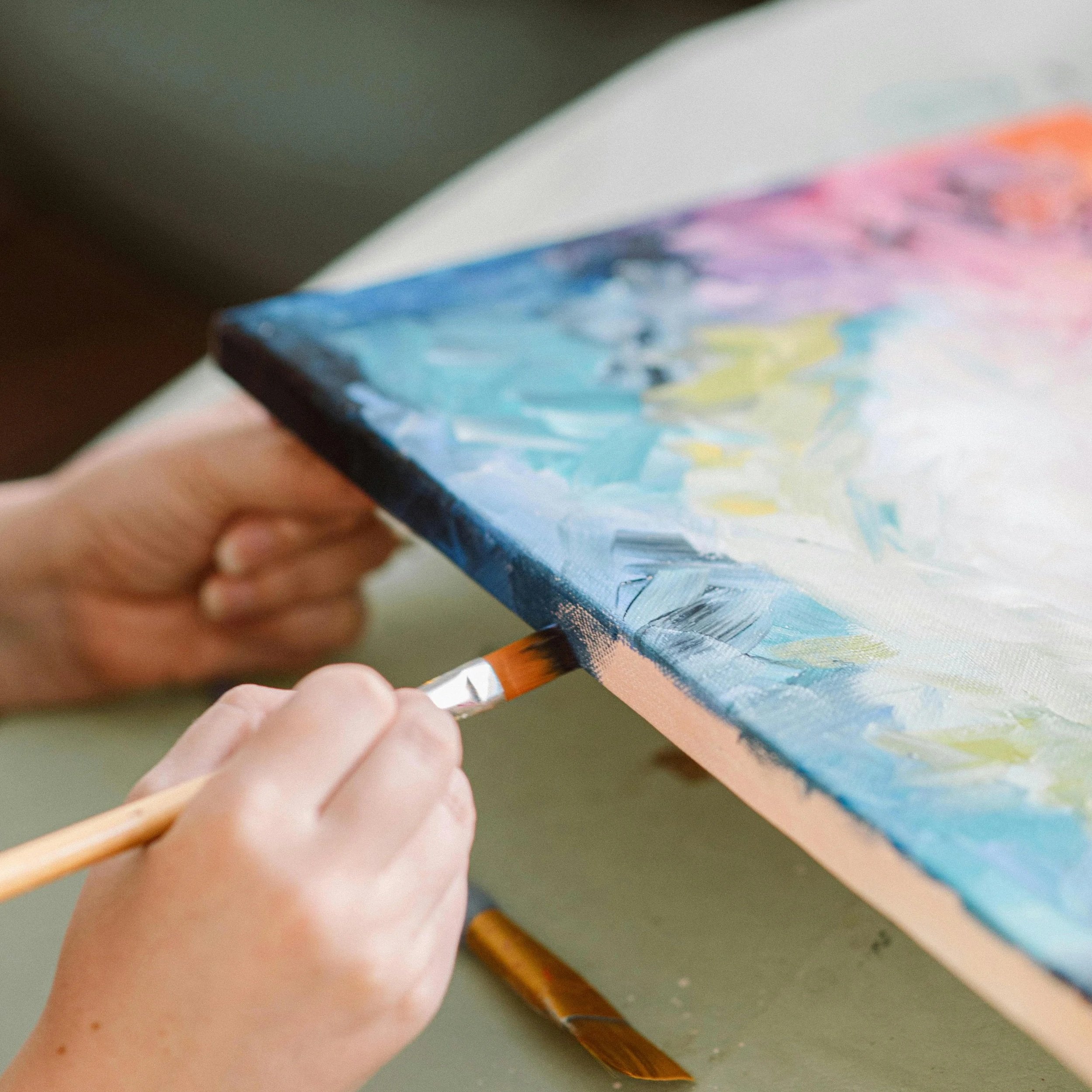
For a long time, my goal as an artist was realism.
I wanted to draw correctly. Paint accurately. Capture things the “right” way. I studied proportion, anatomy, light, and form with the belief that if I could just get close enough to realism, I would finally feel like a real artist.
Realism felt like proof. Proof that I knew what I was doing. Proof that I deserved to take up space.
So I worked toward it. Slowly, carefully, seriously.
And in many ways, it worked. My drawing improved. My control improved. I became more disciplined and more consistent. Eventually, I took the leap into calling myself a professional artist. I rented a studio. I started showing my work. I tried to make paintings that looked like they belonged in a gallery instead of a sketchbook.
But something else happened too.
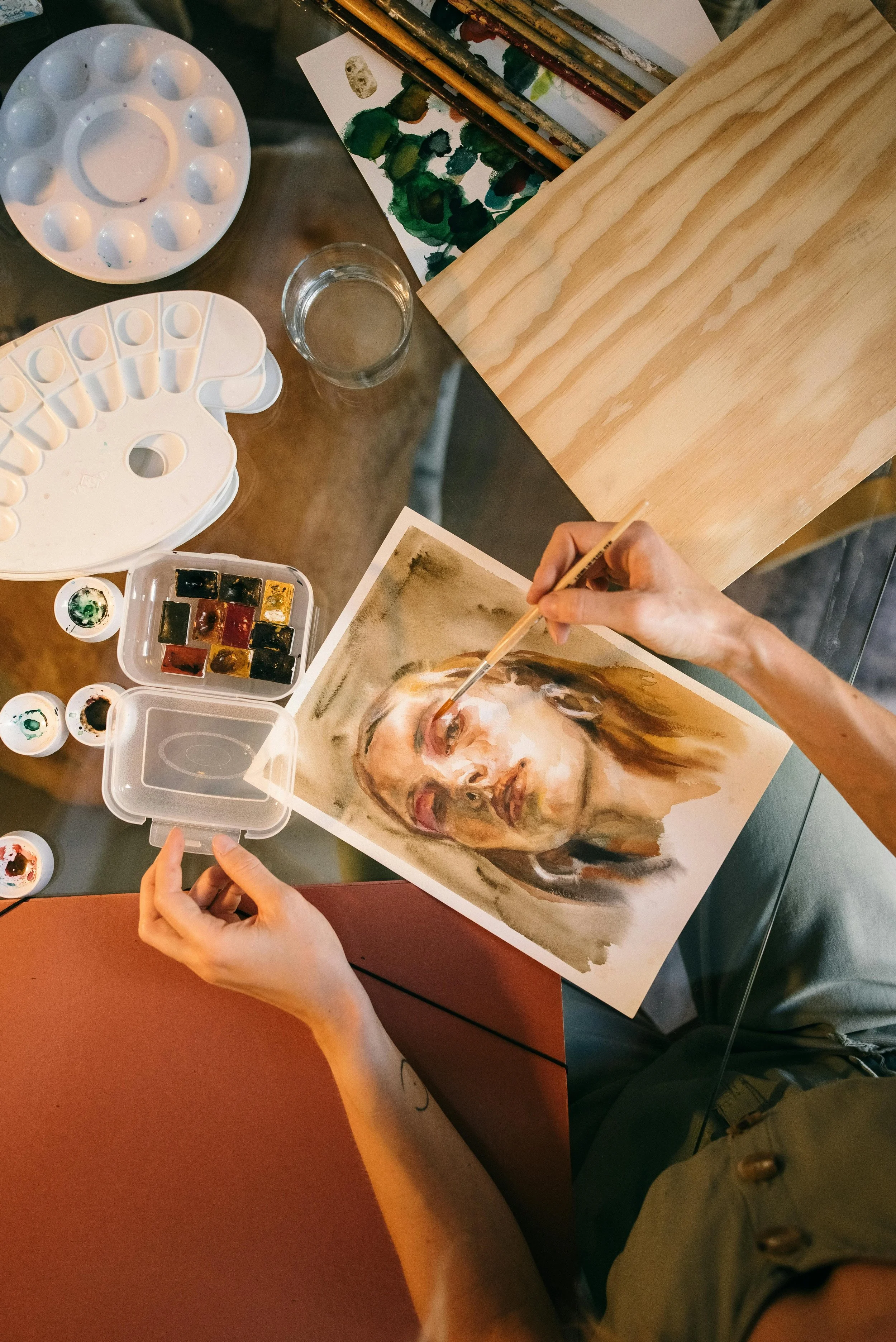
The more I focused on painting better, the harder it became to paint honestly.
When I started taking my work seriously in a public way, exhibiting, selling, letting people see it, I felt pressure I hadn’t felt before. Not just to make work, but to make work that looked like it deserved to be there. I became hyper-aware of how things might be judged from the drawing, the finish, the polish, to the way a piece might be read by someone standing across the room.
Without meaning to, I shifted from listening to myself to performing for an imaginary audience.
My colors got safer.
My compositions got more careful.
My paintings got quieter in ways that didn’t feel intentional.
I was still painting. Still improving. Still chasing skill. But the work didn’t feel more alive. It felt more controlled and…well...lifeless.
I wasn’t painting what I felt anymore.
I was painting what I thought a “good painting” was supposed to be.
It took me a while to notice. Even longer to admit.
The shift back didn’t come from a dramatic breakthrough. It came from small moments in the studio. Times when I ignored the plan and followed a strange color choice instead. When I let a face stay a little warped because it felt more like the person than the corrected version did. When I trusted a mood over a measurement. When I told myself “step back from the canvas and take a walk.”
Slowly, I realized that “better” had become a moving target I could never reach. There was always another standard waiting. Another comparison. Another invisible rule.
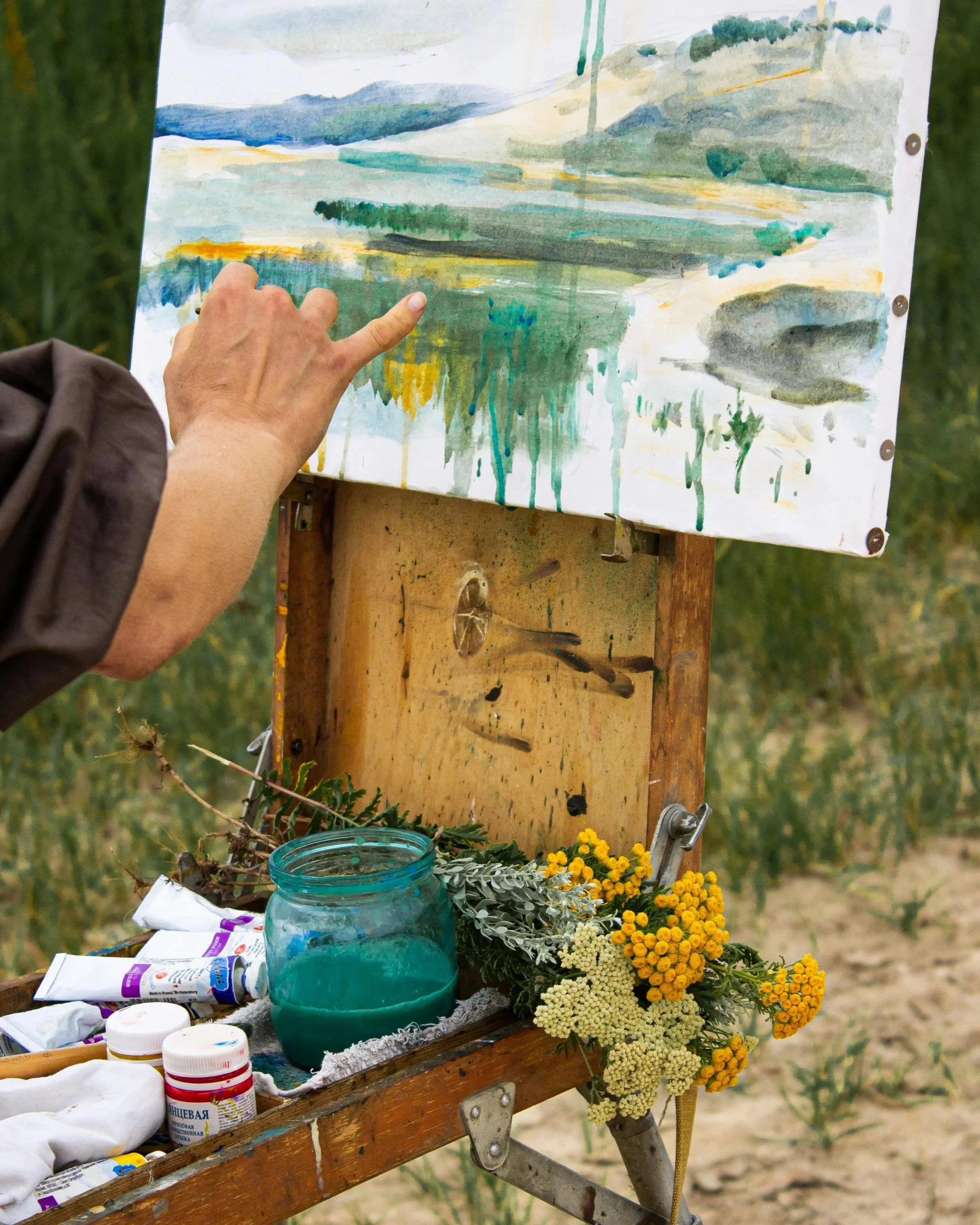
But “truer” felt different.
Truer was quieter.
It didn’t demand proof.
It didn’t ask for permission.
Painting truer meant letting color act like emotion instead of decoration.
It meant caring more about presence than precision.
It meant allowing awkwardness if the feeling was right.
I didn’t stop caring about skill. I still practice. I still study. I still want to grow. But growth stopped meaning “look more realistic” and started meaning “sound more like myself.” I stopped saying “does this look like the subject” and started saying “does this embody what the subject means and is.”
That change didn’t make painting easier. In some ways, it made it harder.
You can hide behind technique.
You can’t hide behind feeling.
Painting truer means risking work that doesn’t resolve neatly. It means letting your values show. It means accepting that some people won’t like it and understanding that this isn’t failure.
What surprised me most is that painting truer didn’t make my work messier. It made it clearer. The paintings that feel most successful to me now aren’t the ones that prove what I can do. They’re the ones that feel like they know what they’re about.
I used to think confidence would arrive when I reached a certain level of realism or control. Now I think confidence comes from recognizing your own voice when it shows up — and letting it stay.
I still catch myself slipping into “better” mode sometimes. Trying to impress. Trying to fix. Trying to smooth something into safety.
But now I notice it.
And more often than not, I stop. I ask what the painting actually needs instead of what I think it should be.
Lately, that question has changed everything.
Not:
Is this good enough?
But:
Is this honest?
And strangely, that’s when the work started feeling like mine.